Knitwear between wears: a little care before it goes back in the drawer
An evening ends, the cardigan comes off, and the easiest thing is to fold it straight back into the drawer. Give it a moment first. Lay it on a clean surface, empty the pockets and look at the cuffs and neckline. Those small checks are easier while you remember how the garment was worn.
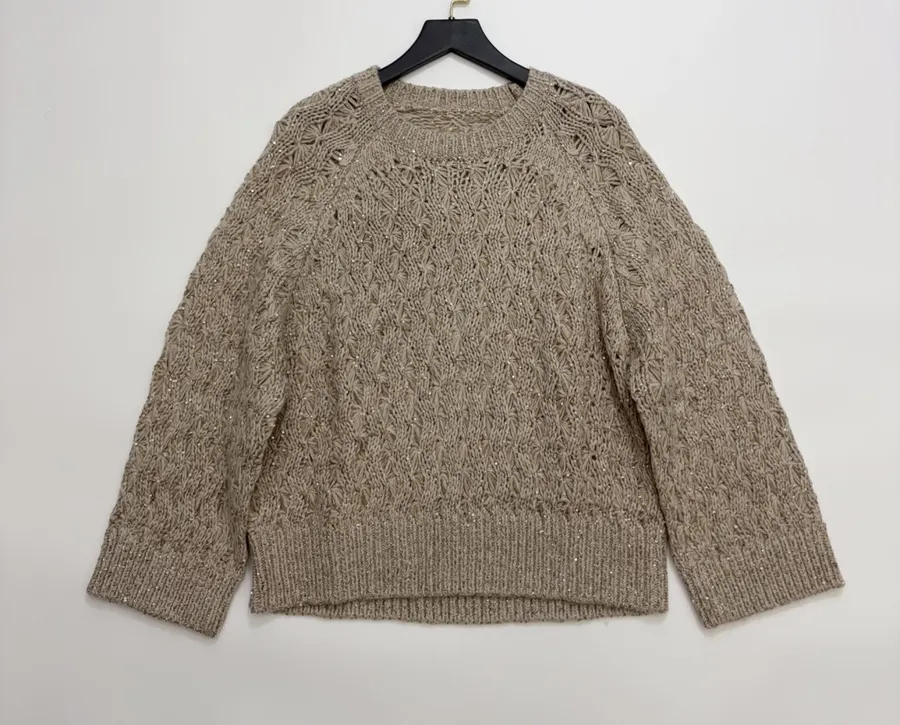
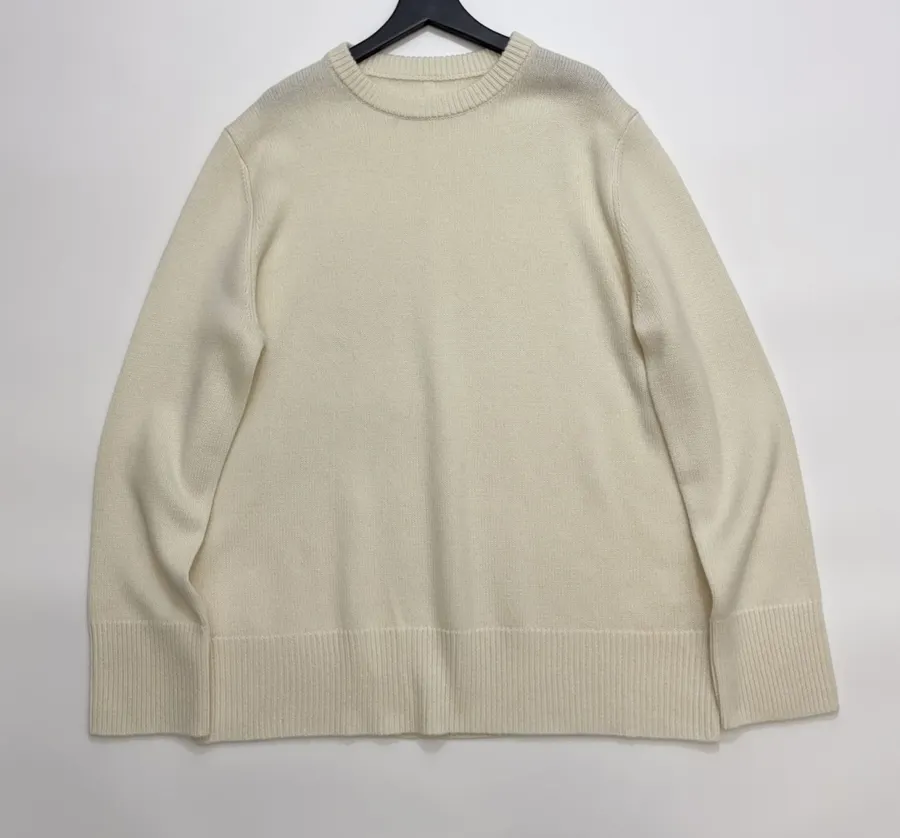
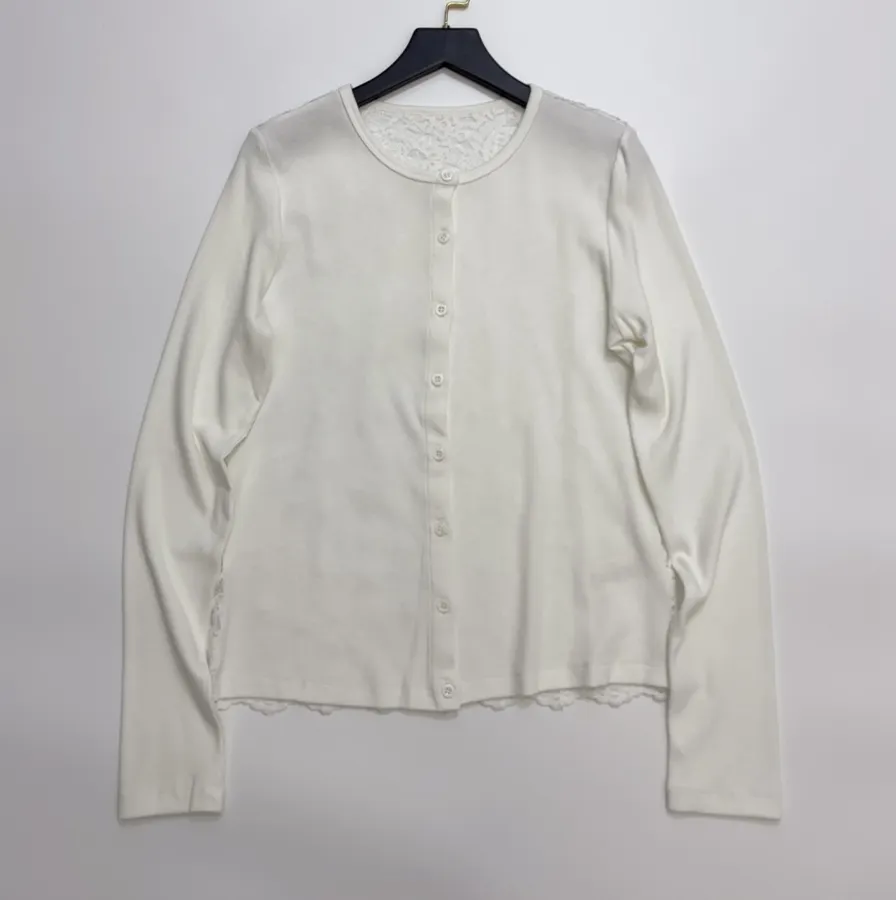
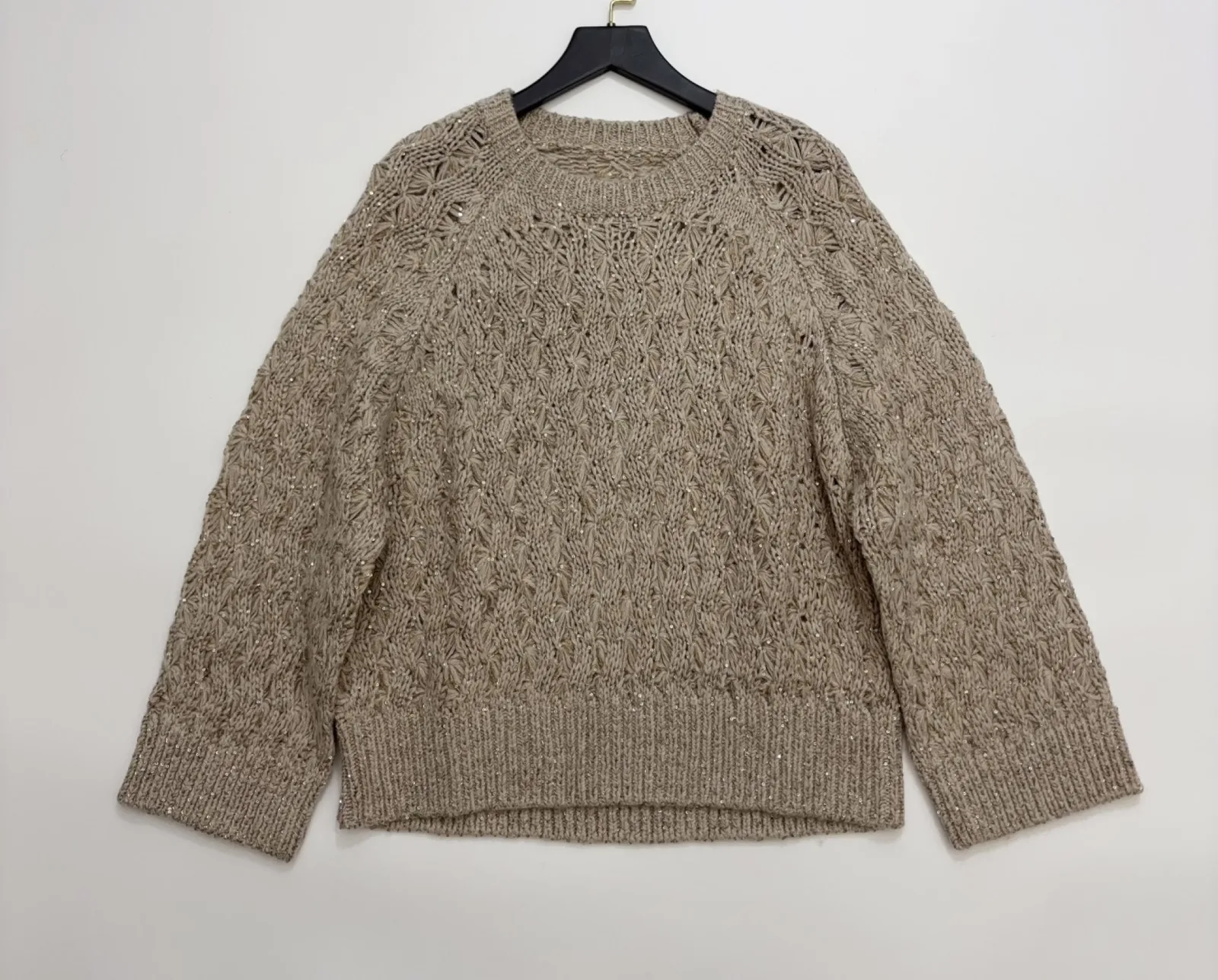
The right routine depends on the actual knit. A fine buttoned cardigan, a loosely knitted sweater and a top with decorative trim should not automatically receive the same treatment. Keep the sewn-in care label as the starting point, even when two pieces share a familiar fibre name.
Sources:Woolmark wool care and storage guidance; garment-label photographs for the featured knitwear. Follow each finished garment’s care label.
Give the garment a place to rest
Leave a clean, dry place for the piece you have just taken off. Spread it gently rather than pulling the sleeves into shape, and keep it away from a radiator or strong sunlight. For wool knits, Woolmark recommends supported airing and folding for storage; its guidance distinguishes knitted clothing from woven wool garments that can be hung on suitable hangers.
At home, a spare shelf or a clean towel on a flat surface can make that pause easy. Keep the garment separate from clothes waiting to be washed. Check that it is dry and ready for storage before putting it away.
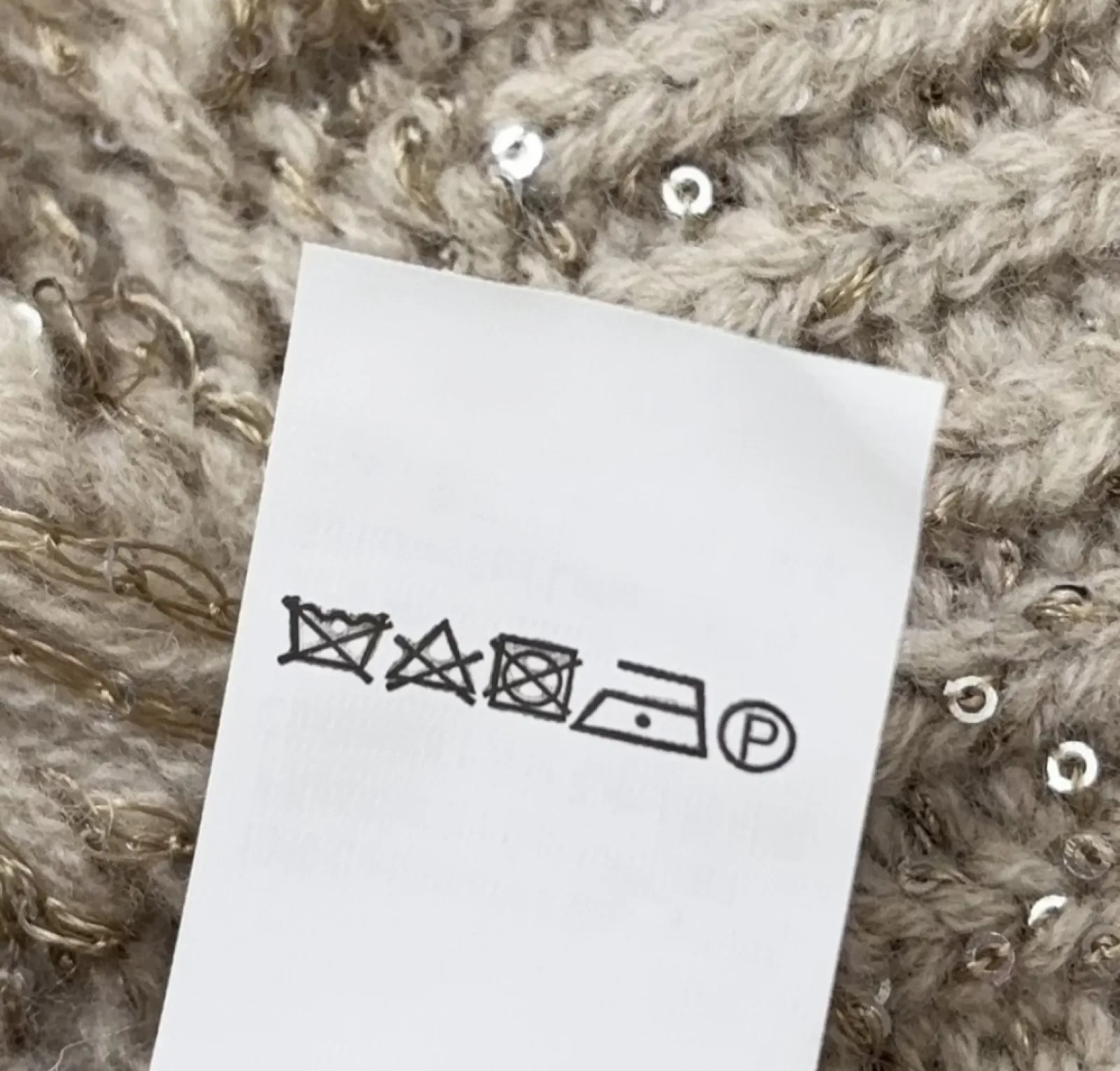
Read the whole care label before cleaning
Look for the instructions on washing, drying and ironing, not just the composition. A fibre percentage cannot tell you whether the complete garment, including its buttons, trims and construction, is suitable for a particular cleaning method.
Avoid turning a general wool-care tip into a rule for every blend. If the instructions are missing or unclear, ask for a clear photograph of the label. Do not choose a water temperature, machine cycle or stain treatment from the product title alone.
Notice what happened during the day
Check the places that meet skin, a desk or a bag: inside the collar, cuffs and underarms. Look at a mark before rubbing it. A food stain, a snagged loop and an ordinary fold call for different decisions; pulling at the surface can make a small problem harder to assess.
If a stitch has caught, leave it alone while you seek suitable repair advice. For a stain, follow the garment's care instructions or speak to a cleaner who can inspect the material. There is no need to experiment on a visible area to discover whether a treatment works.
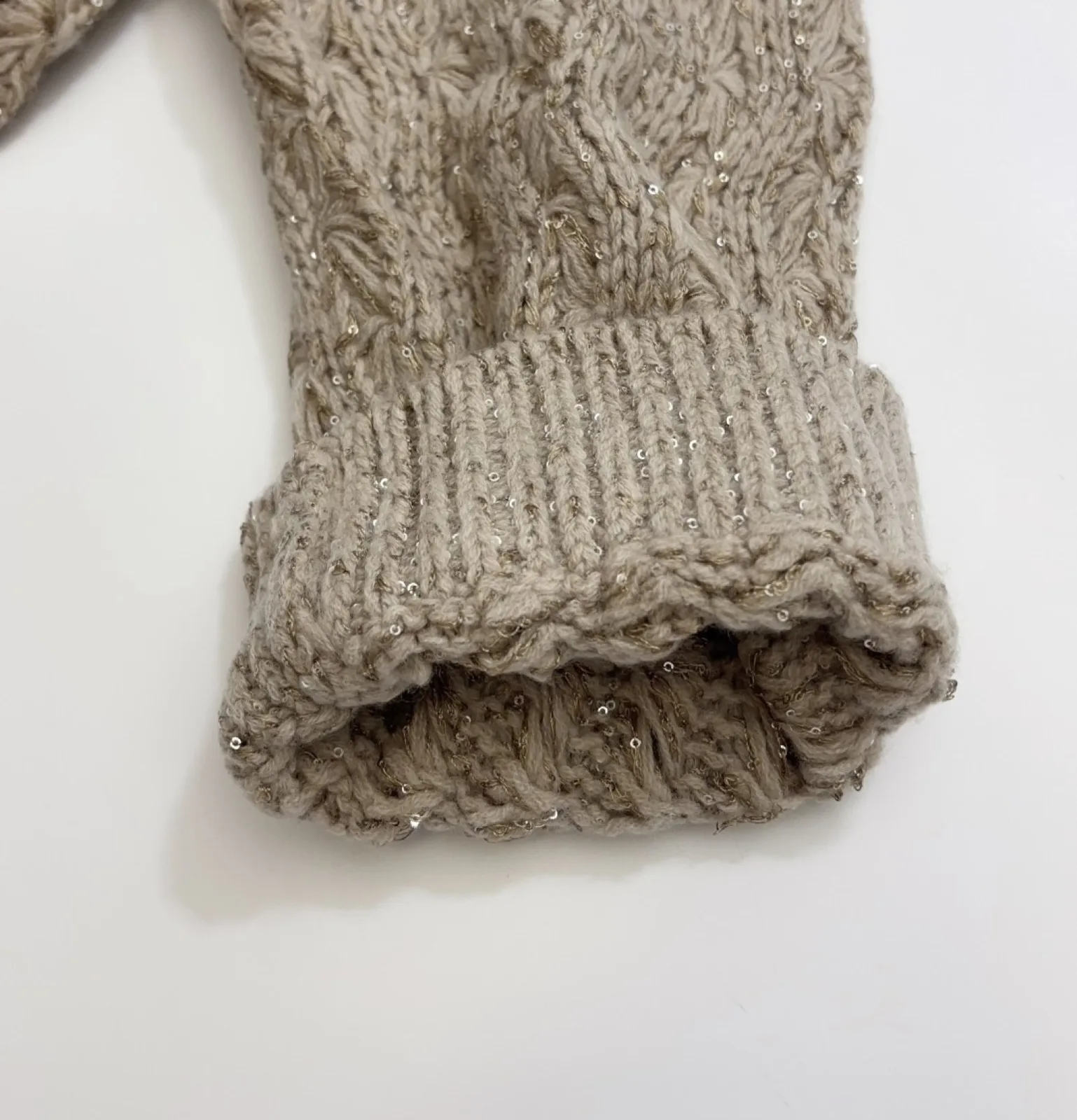
Fold with the fastenings in mind
Lay the knit flat, arrange the sleeves without stretching them and make a loose fold that fits the drawer. Place ties and decorative fastenings where they will not catch on another piece. Do not force a bulky cardigan into a gap meant for a thin top.
Keep frequently worn pieces within reach so you do not have to pull one from under a heavy pile. A quick photograph of the care label is useful if it becomes difficult to read later, especially when several similar knits have different instructions.
Before a longer break
Seasonal storage deserves a separate check. Woolmark advises cleaning wool clothing before long-term storage and checking stored pieces for moisture or insects. Select a storage method suited to the garment, and put away only pieces that are fully dry.
When you bring the knit back out, look over it before wearing. Check the buttons and seams, read the care note again and give it the space it needs. A routine you can repeat on an ordinary evening is more useful than an elaborate one you rarely follow.