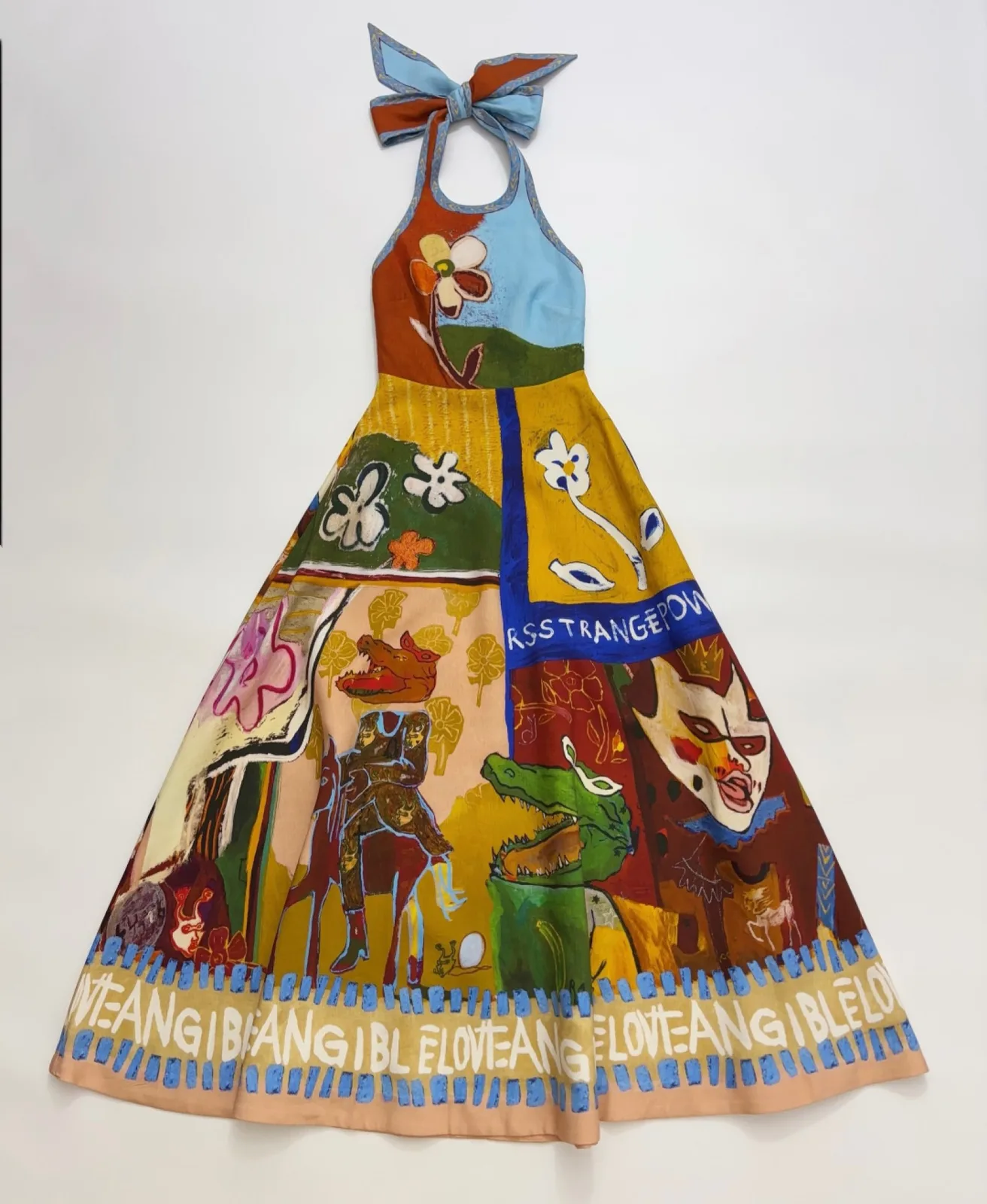
Before You Pay More for a Dress: Five Product Details Worth Checking
A higher price can come from fabric, pattern cutting, finishing, limited production, design or simply brand positioning. The price itself does not tell you which of those factors is present. Before paying more for a dress, check whether the product page gives you enough evidence to compare the piece on its own terms.
1. Exact composition by component
Look beyond a broad material word such as “linen” or “silk.” A useful disclosure separates the main fabric from the lining, pocketing, lace and contrast panels. For example, “Main: 56% linen, 44% viscose; Pocketing: 100% cotton” tells you something different from “100% linen.” The same applies to a shell that is silk while its lining is polyester.
2. Construction details you can verify
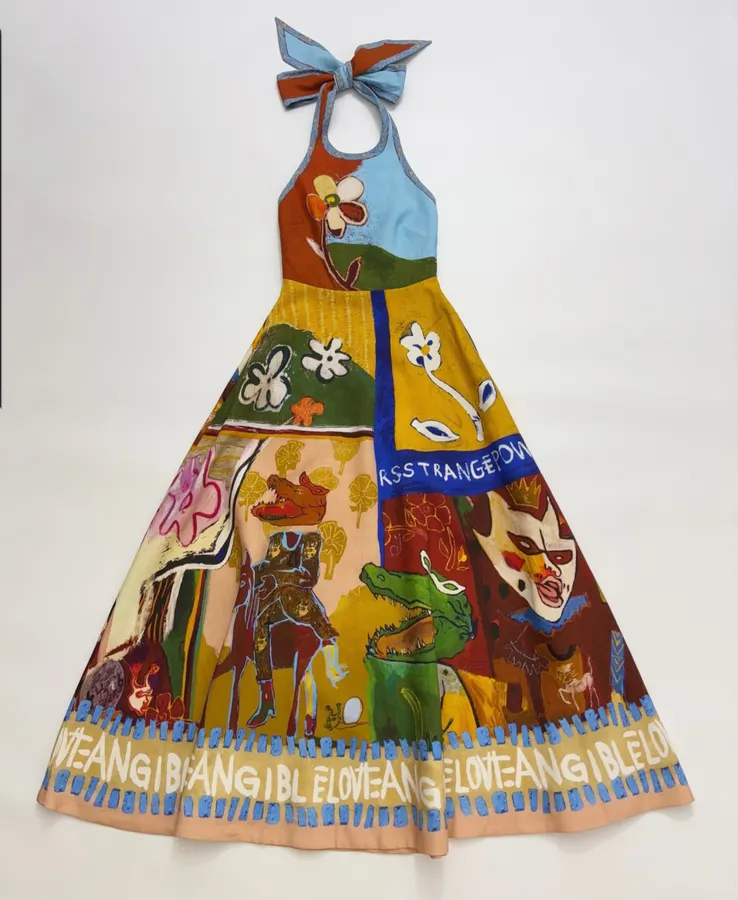
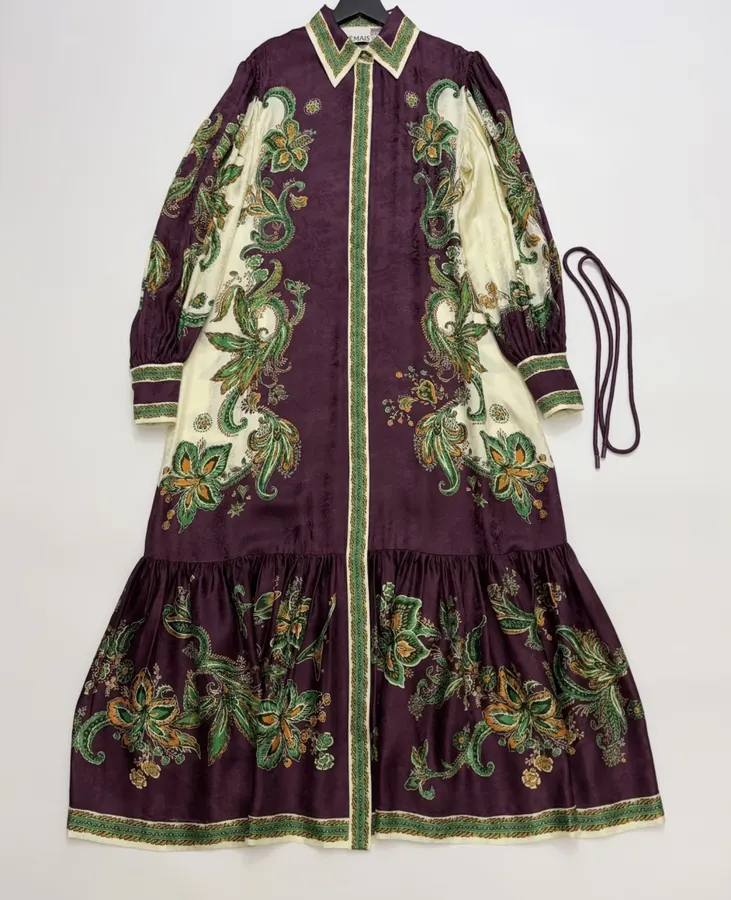
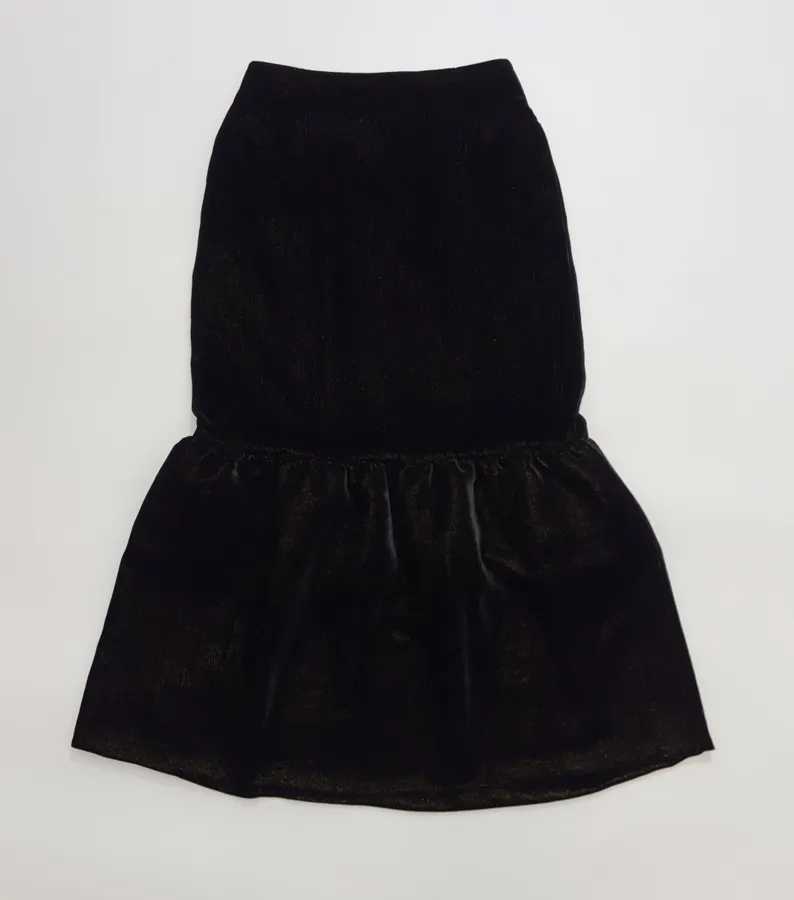
Check whether the page shows lining, boning, lace panels, closures, pockets, seam placement or a separate slip. These details affect structure and wear, but they should be visible in product photography or stated in the garment information. Avoid assuming that a dramatic silhouette proves complex construction.
3. Measurements and fit information
A high price does not make a size label more precise. Compare the garment’s bust, waist, hip and length with a similar piece you own. Note whether the fabric contains elastane, whether the bodice is fitted and whether the skirt shape depends on a lining or crinoline. Composition can suggest where stretch may come from, but measurements remain the stronger fit check.
4. Care requirements and ownership cost
Care is part of the purchase decision. A delicate shell, mixed-material construction or decorative trim may require more specific treatment. The FTC Care Labeling Rule requires covered manufacturers and importers to provide regular care instructions and to have a reasonable basis for them. Follow the garment’s care label rather than choosing a cleaning method from the fiber name alone.
5. The quality of the product information
For a higher-priced item, the page should distinguish verified percentages from general supplier descriptions. It should show multiple views, identify the main and secondary materials, give meaningful fit details and avoid guessing when evidence is missing. Clear information does not guarantee that a dress will suit you, but it reduces avoidable uncertainty.
A practical comparison
- Strong evidence: exact component percentages, readable garment-label records, useful measurements and clear care instructions.
- Helpful but incomplete: a supplier material description without percentages.
- Weak evidence: fiber claims inferred only from texture, photography or price.
When the information is incomplete, the right response is to ask for the label or wait for verification. Paying more should buy you a product you understand—not a longer list of assumptions.
Further reading: FTC Apparel and Labeling and the FTC Care Labeling Rule.
Sources:Primary references: U.S. Federal Trade Commission Apparel and Labeling overview and Care Labeling Rule. Product examples are limited to reviewed WeftKind garment-label images and product-page fields. Price is treated as a shopping context, not proof of fiber quality, construction quality or origin.