How to wear a jacket over a floral dress
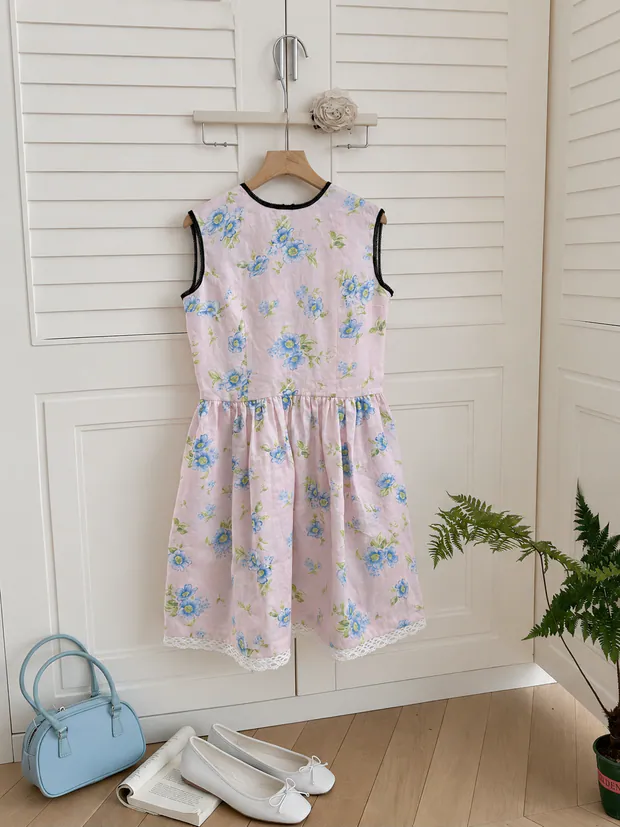
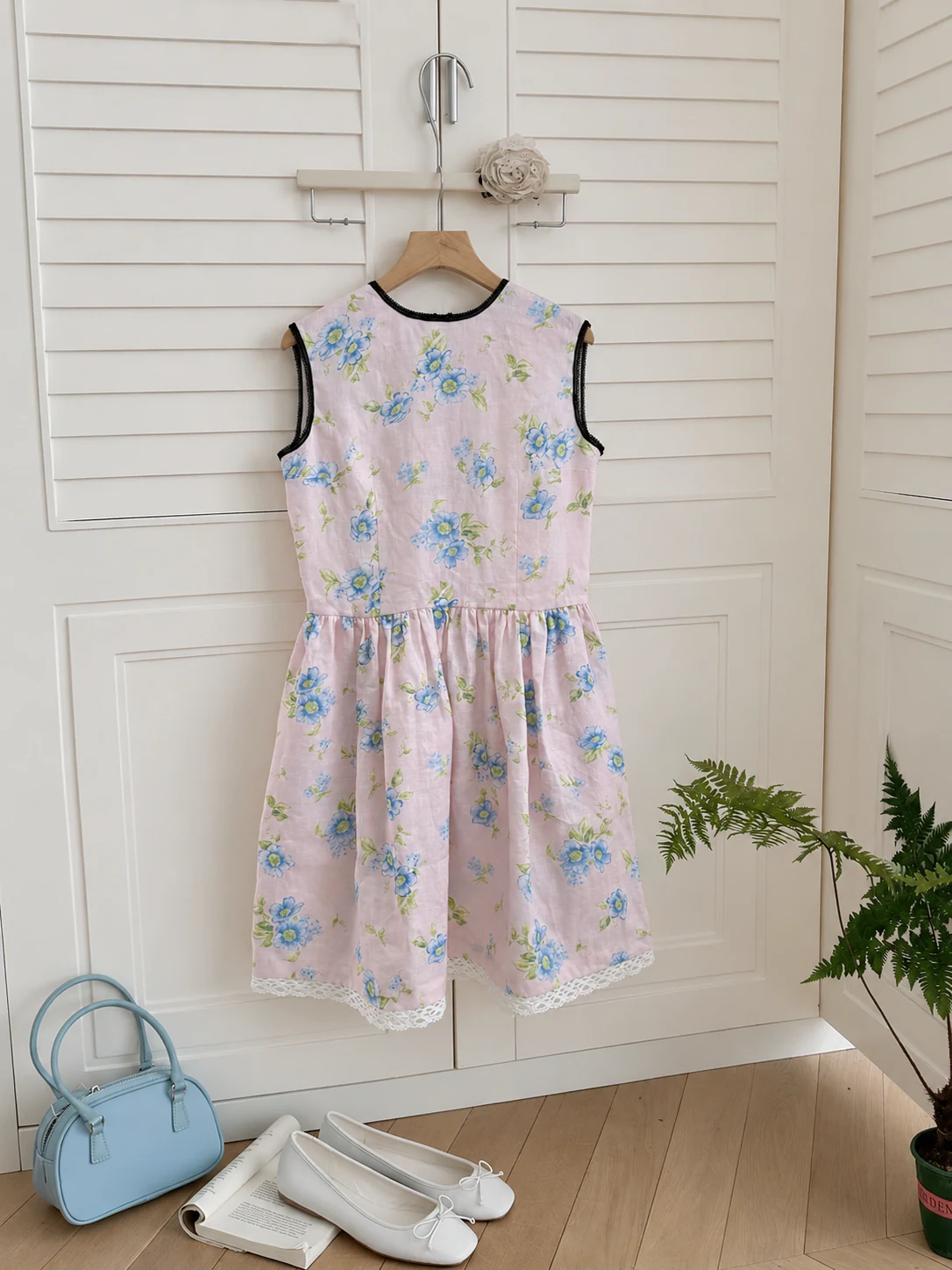
A floral dress already brings colour and pattern to an outfit. Start by trying a plain jacket over it and look at how the neckline, sleeves and hems sit together. The jacket need not match the dress exactly; find a combination you like before adding several more colours.
Think about the day ahead too. Will you be walking, or mostly sitting indoors? Will the jacket stay on, or come off when you reach a restaurant? These details help you choose its length and thickness, as well as the bag you carry.
During the day: pick a colour from the print
If the print includes white or cream, try a jacket in a similar pale shade. With a busy floral pattern, start with an outer layer that has no strong pattern of its own, leaving the dress as the main print.
A dark jacket over a pale floral dress is another option. Try it open and notice how much of the dress remains visible at the front, then fasten it. The two arrangements can look quite different, especially when the jacket covers the dress's waist.
For a day with plenty of walking, choose shoes you already find comfortable. White trainers or flats are worth trying; wearing a dress need not mean changing into unfamiliar heels. Put on the bag you intend to carry and check whether its strap pulls the jacket's collar out of place.
With a bomber jacket: look at where the hem stops
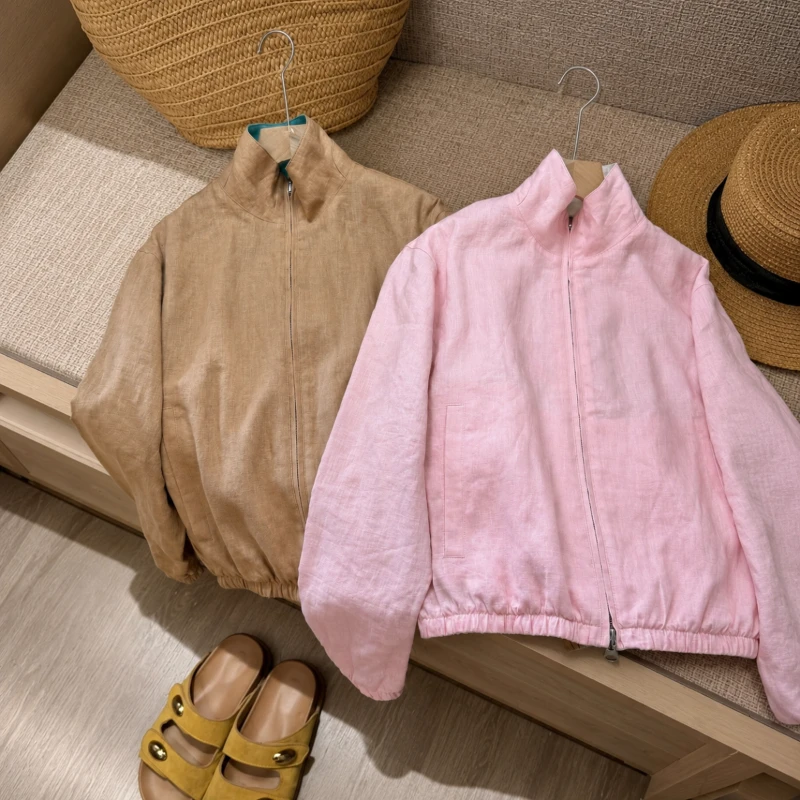
A bomber jacket can be paired with a floral dress. Its collar and hem add distinct lines, offering an option if you like a visible contrast between the top and bottom of an outfit.
Check the jacket's length from both the front and the side. If its hem rests on a fuller part of the skirt, it may push the fabric out around it; wearing the jacket open can produce a different result. Try changing the fastening before changing the jacket, rather than assuming the dress is wrong for you.
With a gathered jacket hem, sit down as well. Notice whether the jacket bunches upwards or draws the dress up with it. Walk a few steps and reach forward to check your shoulders and back. A flattering angle in a photograph cannot answer those questions.
Do not overlook the sleeves underneath
A sleeveless dress avoids much of the overlap between sleeves, but the neck and underarms still need attention. Fasten the jacket and raise your arms to see whether it pulls at the shoulders of the dress.
If the dress has sleeves, particularly wide or gathered ones, check the room in the jacket's upper arms. A sleeve rolled up inside another can become uncomfortable. Arrange the inner sleeve, bend your elbows and feel whether the layers press against each other.
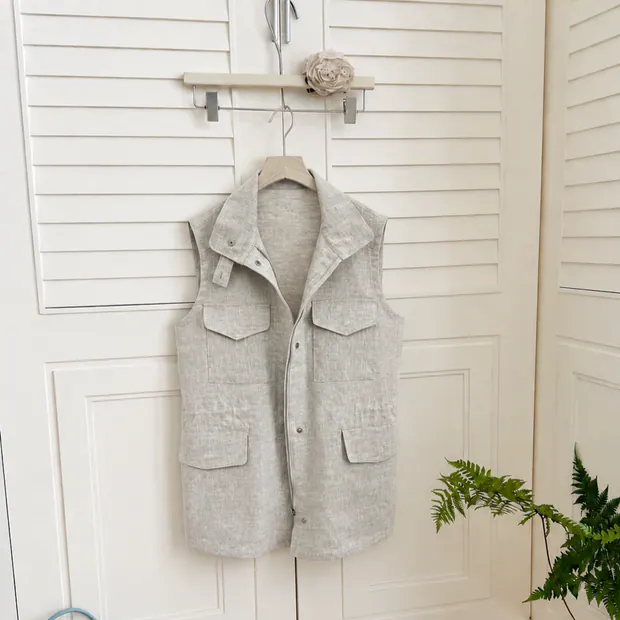
If you do not need sleeves on the outer layer, try a stand-collar vest. It leaves the dress's sleeves visible, though the two necklines need their own check. If the collars feel crowded, compare wearing the vest open with choosing an outer layer that has a simpler neckline.
For the evening: change the daytime bag first
To move from an afternoon out to dinner, keep the dress and jacket, switch to a smaller bag, and reconsider the shoes and jewellery. That gives you a few changes to work with without buying a whole outfit for one evening.
When the floral print is already colourful, start with a simple pair of earrings. With a high neckline, look at the outfit without a necklace first. With more space around the neckline, try one accessory and check the result before adding another.
If the jacket will come off indoors, try the dress on its own beforehand. Check the neckline, underarms and the position of underwear edges as you raise your arms and sit down. For details such as lining or an opening, consult the specific product information rather than judging from one styling photograph.
Use your own hem length when choosing an outer layer
Where a dress ends on you depends on your height, the size you choose and the cut. A below-the-knee hem on a model may not fall at the same point on you. If you own a dress that fits as you like, measure its length and compare it using the method shown for the new garment.
Include the jacket in that comparison. Put on the dress, jacket, shoes and bag, take a full-length picture standing normally, then walk and sit down. If you keep pulling at the skirt, collar or shoulder strap, try changing the piece that needs the most adjustment.