When a Product Name and Fiber Label Disagree
Product names are written for browsing. They may describe a silhouette, repeat a supplier title or highlight one notable material. A garment label serves a different purpose: it records the fiber content of the components covered by the disclosure. When the two disagree, exact composition should follow the label.
Why names and labels diverge
A title may survive from an earlier catalog entry even after better product information arrives. It may also use a familiar category word such as “linen dress” for a linen-like summer style. Neither situation makes the title a reliable percentage statement. The FTC explains that most covered textile and wool products sold in the United States must disclose fiber content, country of origin and the identity of the manufacturer or another responsible business.
Four real examples from reviewed labels
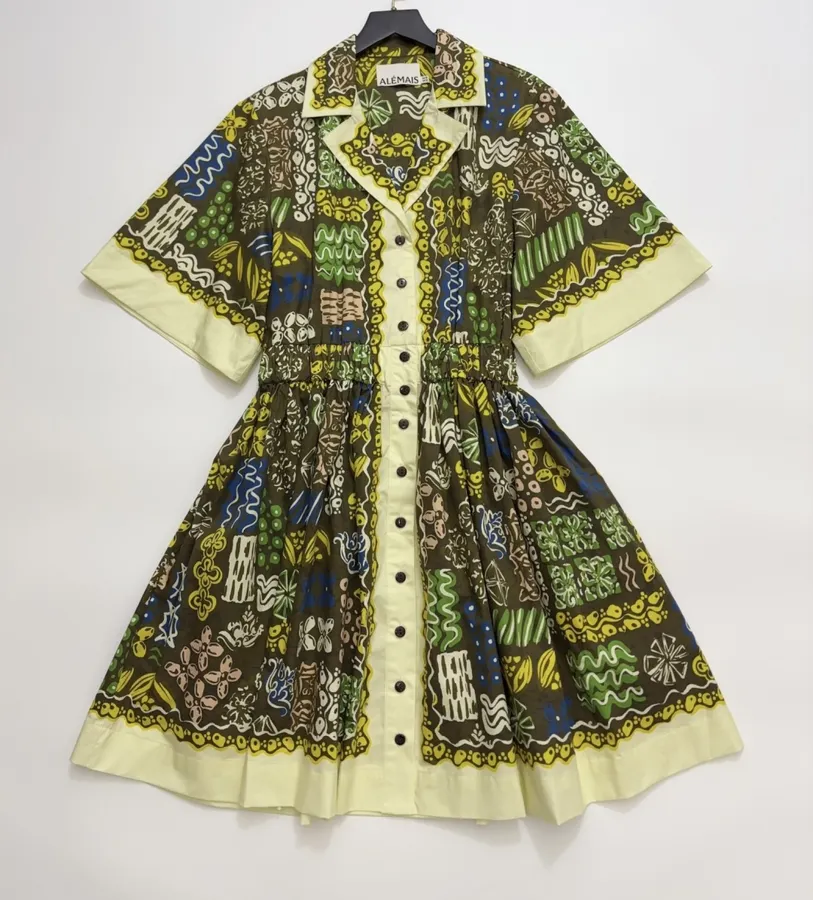
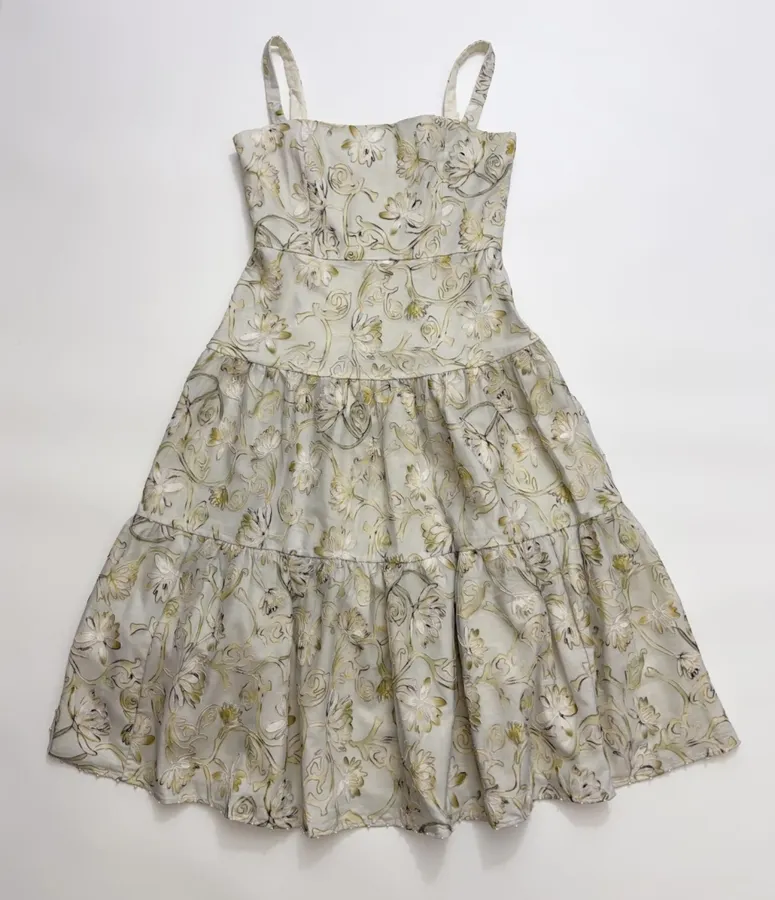
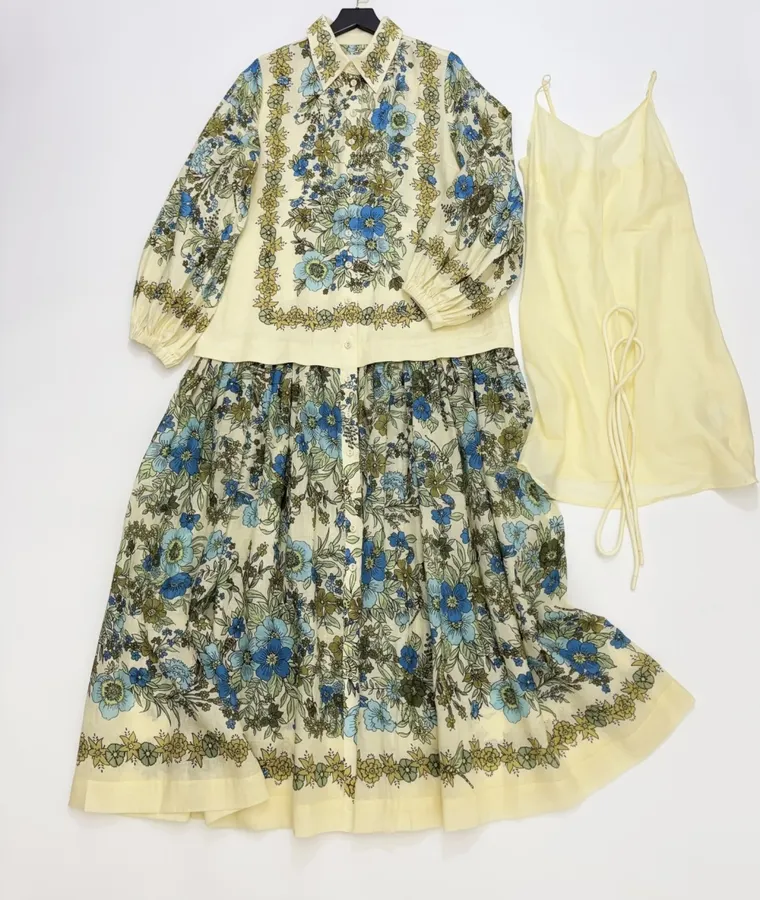
- A bright yellow dress described with “linen” in its product name has a reviewed label stating Main: 100% hemp; Lining: 100% cotton.
- A “pleated wool dress” has a reviewed label stating Main: 75% Tencel, 19% wool, 6% spandex. Wool is present, but it is not the largest fiber.
- A silk-blend shirt dress has a reviewed label stating Main: 52% viscose, 48% silk.
- A strapless midi dress has a reviewed label stating Main: 100% polyester; Lining: 100% linen. The linen belongs to the lining, not the outer fabric.
How the product record should be corrected
First, preserve the label image with the product identifier. Next, transcribe every labeled component separately. Then update the material summary and exact composition while keeping the stable product URL. If the title itself makes a clear fiber claim that conflicts with the label, the display title should be reviewed as well. Search history and old supplier wording should not override the stronger evidence.
What not to infer
A fiber label does not establish where the raw fiber was grown, whether the garment was made under a particular labor standard or what its environmental impact is. “Made in” identifies the stated manufacturing country; “designed in” identifies a design location. Those are separate claims. Certification wording should be repeated only for the material and scope shown on the label.
What shoppers can do
- Read the main or shell percentage first.
- Check lining, contrast, lace and pocketing as separate components.
- Treat the product name as navigation, not proof.
- Use the care label for cleaning decisions.
- If exact percentages are absent, ask for the label instead of relying on price or appearance.
A transparent product page does not need perfect information on day one. It needs a clear distinction between what is verified, what is described by a supplier and what is still pending.
Further reading: FTC textile and wool labeling guidance.
Sources:Primary reference: U.S. Federal Trade Commission textile and wool labeling guidance. The four examples use reviewed garment-label images from WeftKind’s saved product records. The article distinguishes product naming from verified component composition and does not infer farm-level origin, labor conditions or environmental impact.