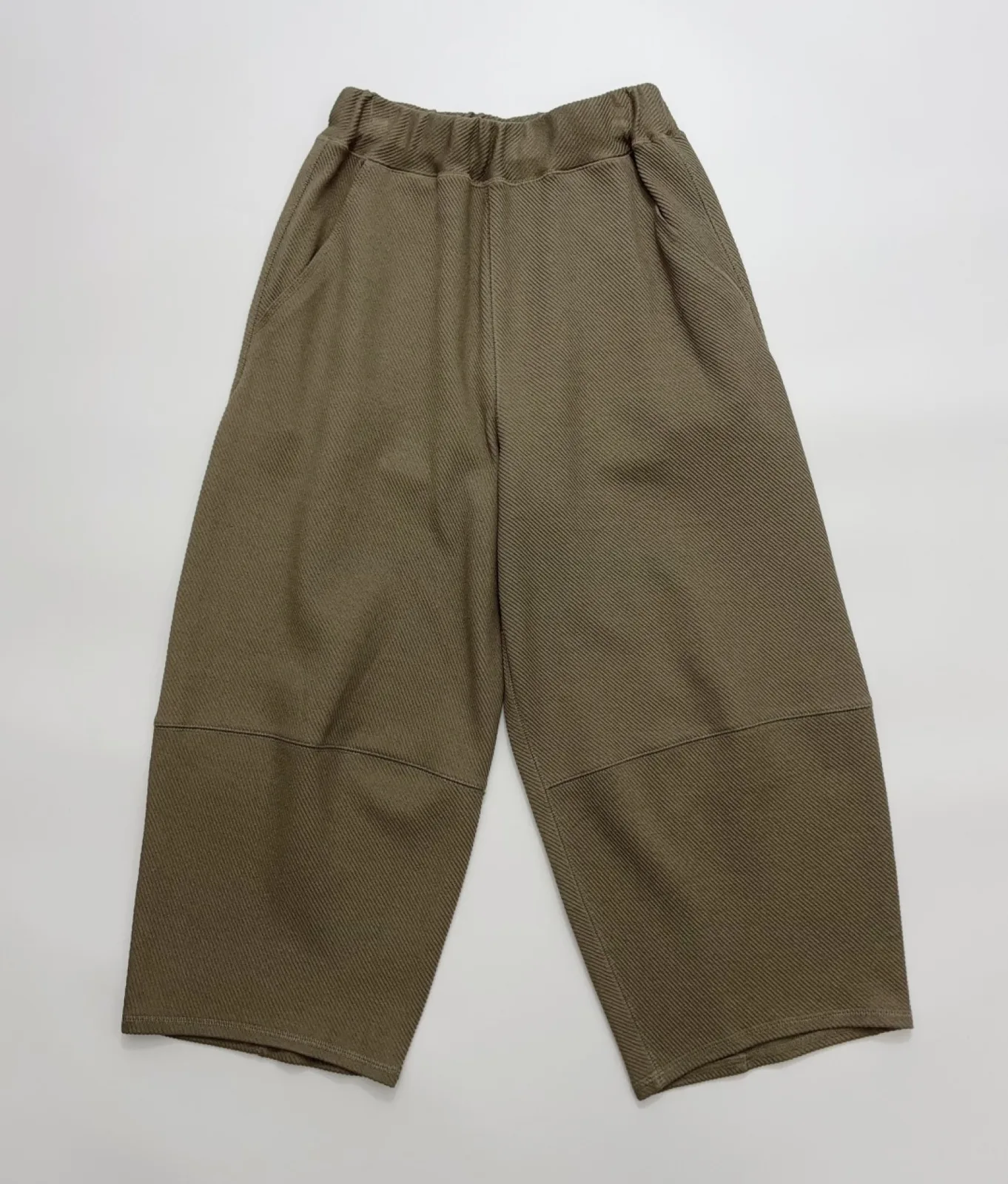
How to measure wide-leg trousers before buying online
Wide-leg trousers can look forgiving, yet a few measurements still decide how they sit. The waist determines where the trousers start, the rise affects the position through the body, and the hem and length change how the leg falls over a shoe. A generous leg does not correct a waistband or rise that is wrong for you.
The easiest reference is a pair you already wear comfortably. Choose one with a similar waist position and fabric weight, place it flat and compare the same measuring points with the seller's chart.
Decide where you want the waistband to sit
High rise, mid rise and low rise are useful descriptions, but they are not fixed positions on every body. Put on your reference trousers and note where the top edge sits in relation to your natural waist and navel. Then measure the front rise of the garment using the same start and end points shown on the product chart.
A larger waist size will not necessarily place the waistband higher. Rise, waistband shape and the curve through the seat all contribute. If the product has a contoured waistband, elastic section or drawstring, read how those parts are measured before comparing the number.
Measure the waist and hip without stretching the fabric
Fasten the reference trousers and lay the waistband naturally flat. Measure straight across at the point specified by the chart. For a fixed waistband, doubling that flat width can provide a circumference reference. With elastic, record the relaxed measurement and use the seller's stated wearable range; the furthest you can pull elastic is not the same as a comfortable fit.
Measure the hip at the chart's stated distance below the waistband, or at the fullest part of the garment if that is the method provided. Smooth the fabric but do not pull it tight. Wide legs create room below the hip, while the upper section can still be shaped quite closely. Sit in your reference pair and notice how much ease you actually use.
Keep inseam, outseam and rise separate
Inseam runs from the crotch seam down the inside leg. Outseam or total length is taken along the outside, but the starting point varies by seller. Those numbers are not interchangeable, especially when the rise differs. Match both the term and the measuring diagram before comparing lengths.
For a full-length pair, try the reference trousers with the shoes you expect to wear. Measure where the hem finishes and how much fabric rests on the shoe. A flat sandal, trainer and heeled shoe can make the same inseam look different. If alterations may be needed, check whether the hem has enough allowance and whether a print or border design can be shortened cleanly.
Hem width controls more than the silhouette
Measure straight across the leg opening of the reference trousers. A wider hem creates more movement and may brush the ground or catch around the foot. A slightly narrower opening can still look wide through the leg while being easier on stairs. Fabric weight also matters: a light cloth moves and lifts differently from a dense twill.
Look at front, side and back photographs. Check whether the leg is straight from the hip, flares from the knee or gathers from an elastic waist. Two products described as wide leg can use very different shapes, so use the photographs to explain the measurements rather than relying on the name alone.
Do a seated check before keeping the pair
When the trousers arrive, keep the tags attached while the return decision is open. Wear the intended underwear and top, then stand, sit, climb a few steps and place a phone in the pocket if you normally carry one there. The waistband should remain workable, the front rise should not pull sharply, and the hem should stay clear enough for safe movement.
If two sizes are close, compare the upper measurements first. Taking in or letting out a waistband and rise is a different alteration from shortening a simple hem. Ask for actual garment measurements when the chart is unclear, and keep your reference notes for the next pair.
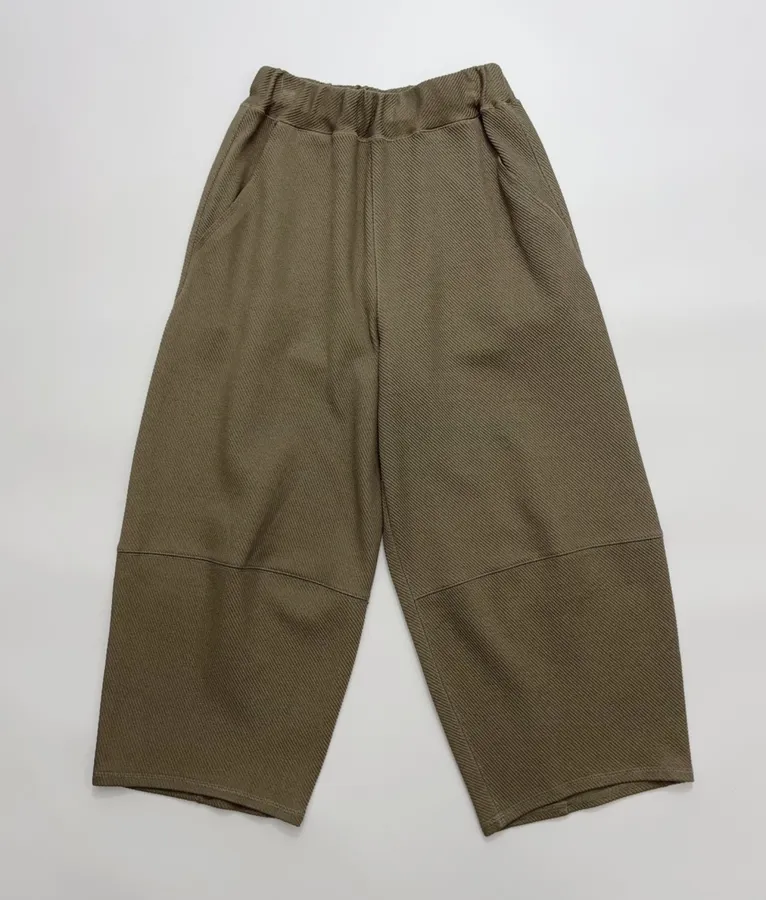
Loose Twill Textured Casual Pants
Cotton, Lyocell (TENCEL™), Sorona
$57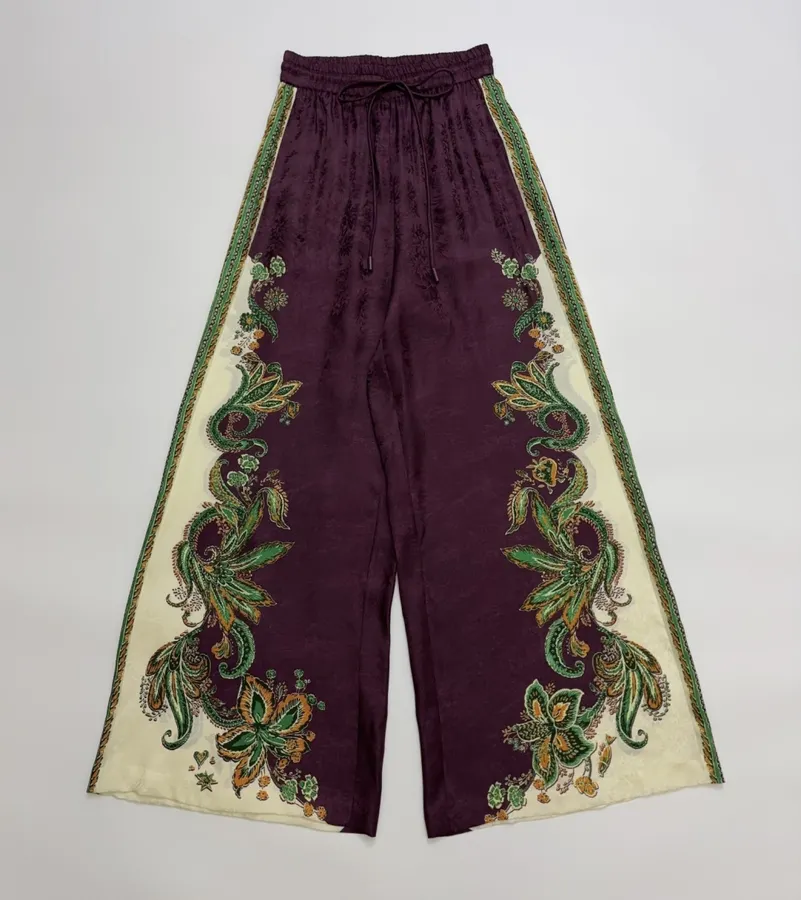
Silk Blend Elastic Waist Long Pants, Casual Trousers
Mulberry silk
$78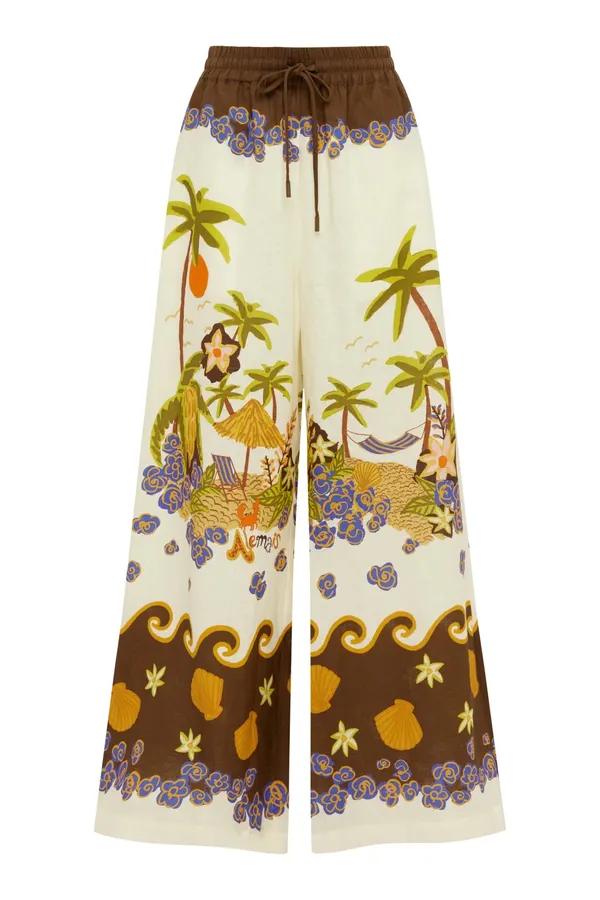
Printed Elastic-Waist Casual Pants | Retro Resort-Style Wide-Leg Trousers
Material pending supplier confirmation.
$60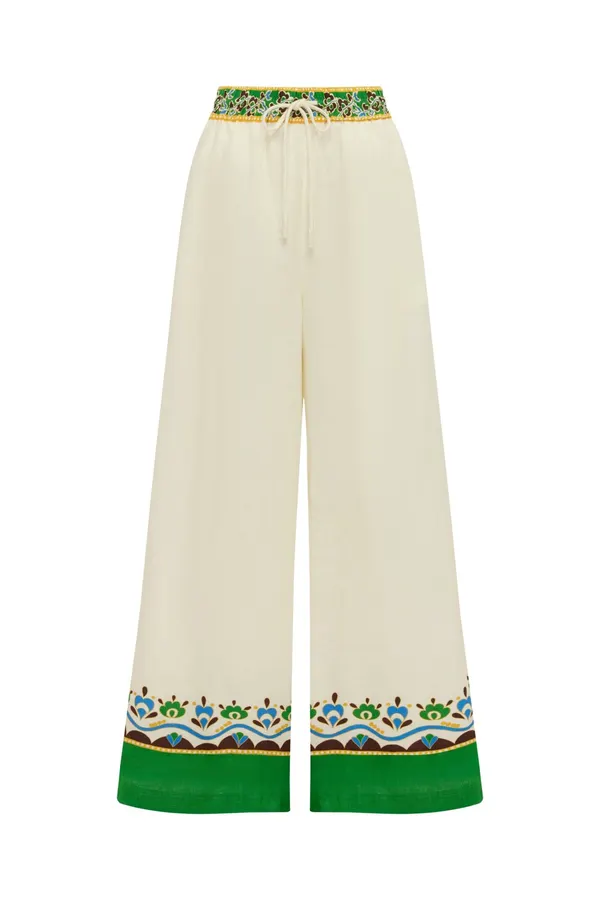
Off-White Lace Trim Wide-Leg Pants | Resort-Style Elastic Waist Floral Trim Casual Trousers
Material pending supplier confirmation.
$61