What Supply-Chain Records Mean
Every garment passes through a series of small decisions before it reaches a wardrobe. Fabric is selected, a sample is reviewed, colour is checked and construction details are adjusted until the pieces begin to feel like one design.
Production records give those decisions a memory. A fabric lot keeps material together, an approved sample holds the intended proportion and a change note helps the next stage follow the latest detail.
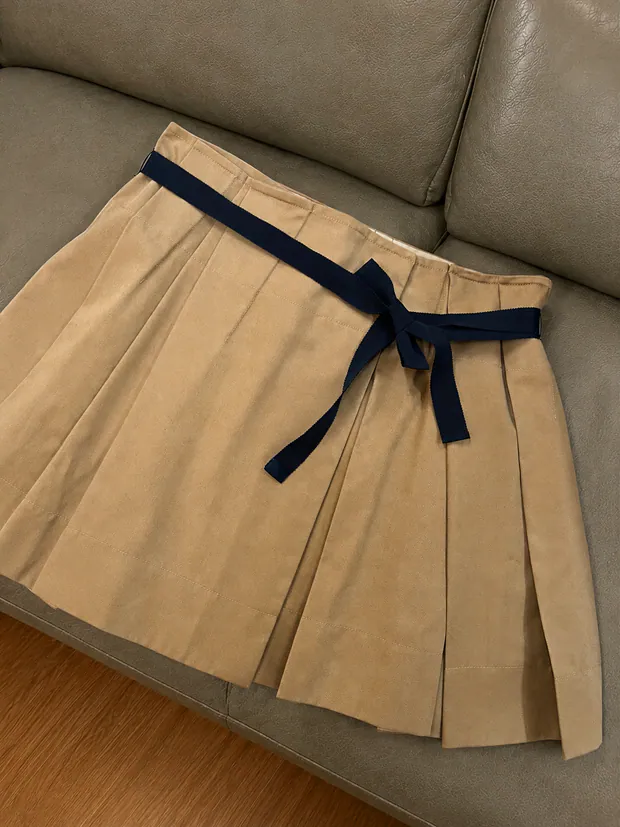
The finished pleated skirt makes the idea easy to see. Its folds need to run in a steady direction, the waistband must hold them evenly and the colour should feel consistent across the whole surface.
Most of this work remains quiet when it is done well. What the wearer notices is simpler: the garment looks considered from every angle and feels dependable each time it is taken from the wardrobe.
How a Record Follows a Garment
A lot number groups material that was received together. A sample version records the agreed shape. A change note carries a corrected detail into the next stage.
Each record is small, but together they help different hands work toward the same result.
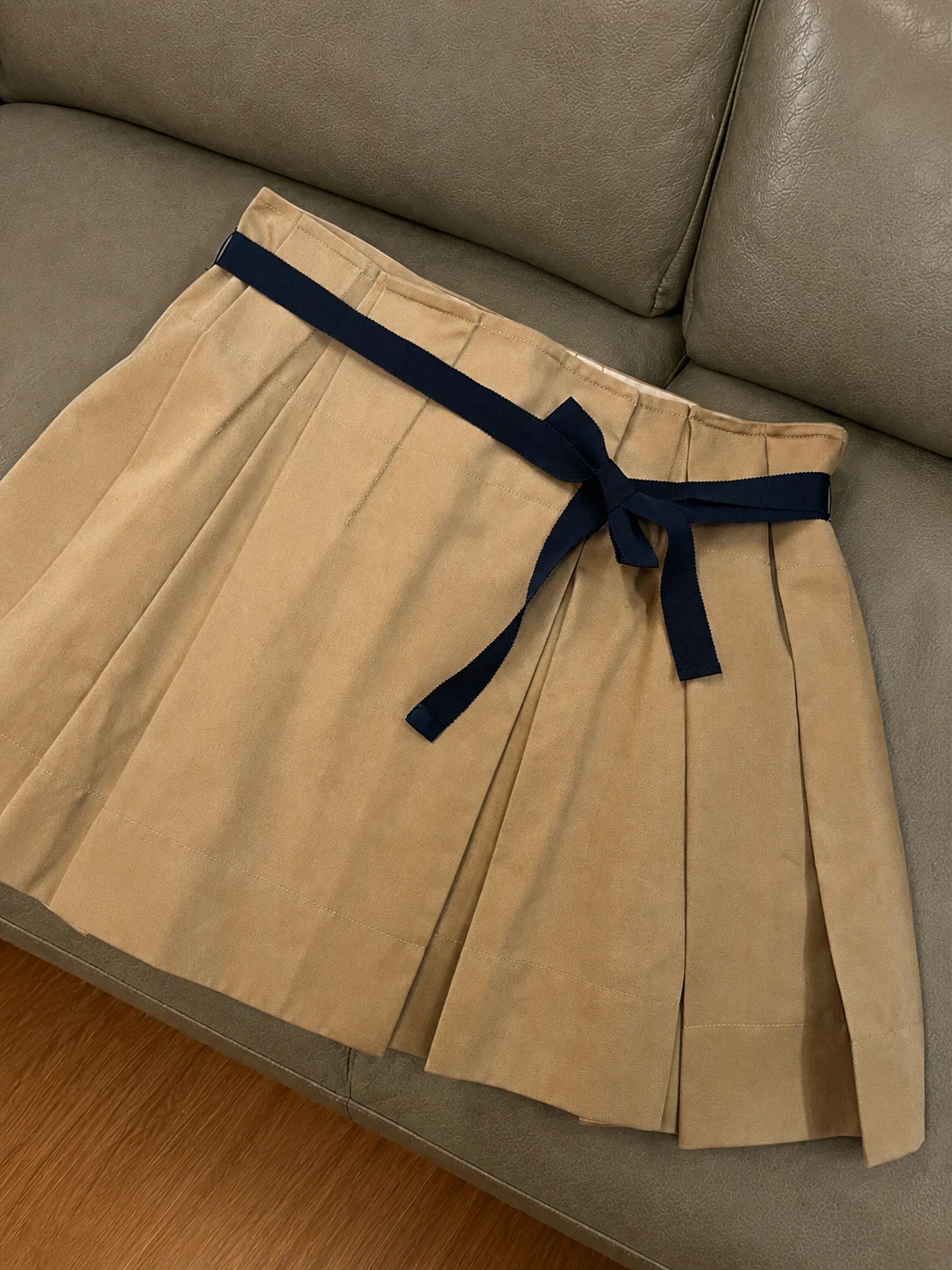
For a pleated skirt, that consistency appears in the direction of the folds, the placement of the belt and the balance of the hem.
Consistency Is What the Wearer Feels
Good records are not an end in themselves. Their value appears when colour, proportion and construction feel coherent in the finished garment.
A wearer may never see the notes behind a piece, but will notice when the pleats sit evenly, the waistband feels balanced and the silhouette returns after movement.
Quiet consistency is one of the reasons a familiar garment remains easy to choose.